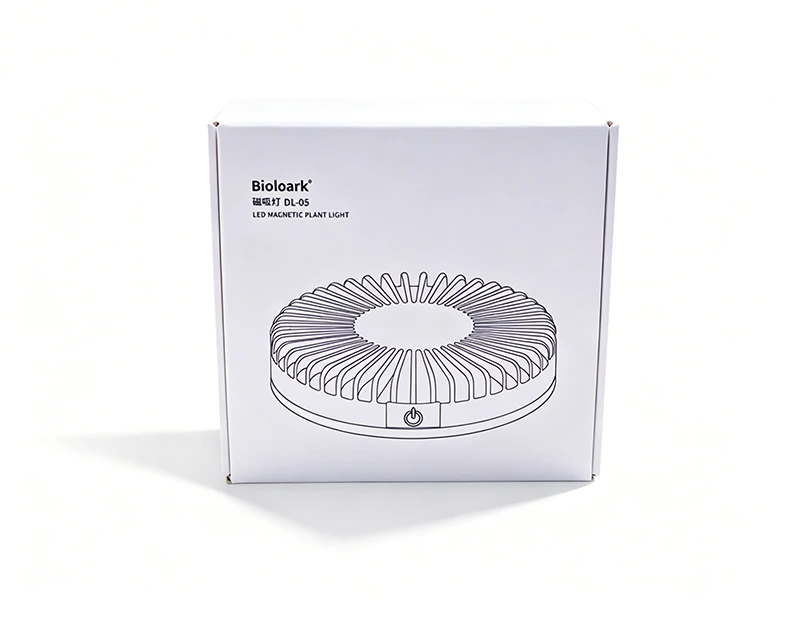
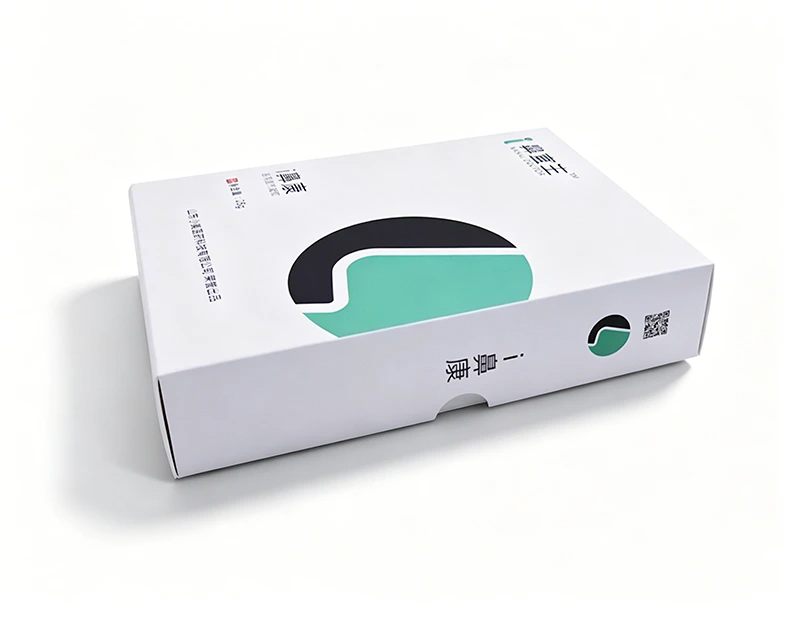
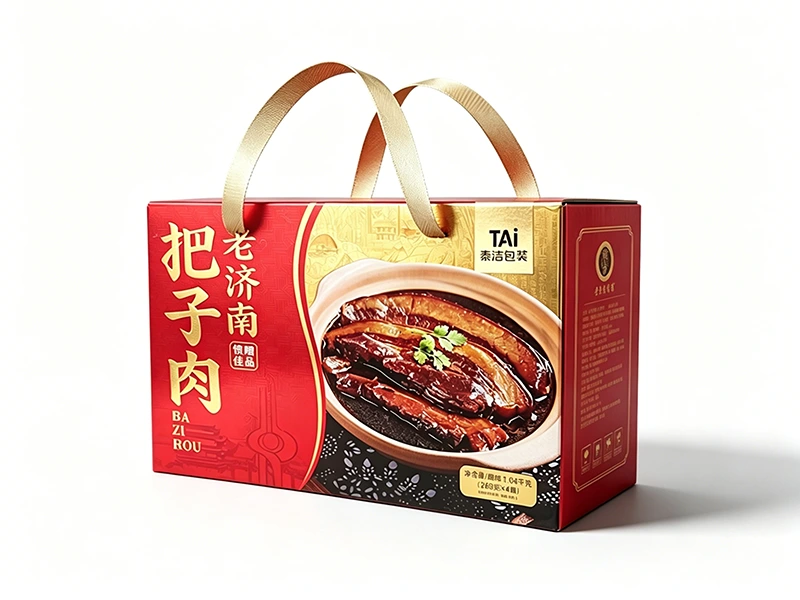
White Cardboard Shipping Boxes are increasingly used for product protection, presentation, and long-distance logistics. TAI HAO, a China-based manufacturer and supplier of custom paper packaging, develops shipping boxes with customizable materials, structures, sizes, printing, and surface treatments for different transportation requirements.
Article Summary: Choosing the right shipping box involves more than selecting a size. Material weight, stiffness, compression resistance, structural design, moisture protection, printing quality, and internal support can all affect shipping performance. TAI HAO provides customizable white cardboard packaging using paper weights from 200g to 850g+ and thicknesses from 0.6mm to 1.2mm, with options including reinforced structures, internal partitions, lamination, embossing, hot stamping, UV finishing, and special treatments.
Table of Contents
- Why Are White Cardboard Shipping Boxes Important for Modern Logistics?
- How Does Cardboard Material Affect Shipping Protection?
- Which Structural Features Improve Box Performance?
- What Customization Options Are Available?
- How Do Different Specifications Match Shipping Applications?
- How Should Businesses Choose the Right Shipping Box?
- Where Can Custom White Cardboard Boxes Be Used?
- Frequently Asked Questions
Why Are White Cardboard Shipping Boxes Important for Modern Logistics?
Shipping packaging must protect products throughout a chain of handling, storage, transportation, sorting, and delivery. Packages may experience stacking pressure, impacts, vibration, humidity, and repeated handling. A suitable box therefore needs to balance structural strength with weight, appearance, cost, and the requirements of the transportation route.
White cardboard offers a smooth and relatively dense surface that can support both functional packaging and visual communication. Unlike a plain transport container, a well-designed box can combine product protection with printed branding, instructions, product information, or other visual elements.
According to TAI HAO's product specifications, available white cardboard materials range from approximately 200g to 850g+ depending on the intended application. Higher-weight materials can be selected for applications involving heavier products, longer transportation distances, or greater stacking pressure.
Key performance considerations
- Stiffness: Helps the box retain its shape during handling and stacking.
- Compression resistance: Supports products when multiple cartons are stacked.
- Puncture resistance: Helps reduce damage caused by sharp edges or impacts.
- Structural stability: Reduces the possibility of corner deformation and side collapse.
- Printability: Provides a suitable surface for high-definition graphics and brand information.
How Does Cardboard Material Affect Shipping Protection?
Material selection is one of the most important decisions when developing shipping packaging. A lightweight box may be appropriate for small products transported over short distances, while heavier products or international shipments may require stronger board and reinforced structures.
TAI HAO offers white cardboard with thicknesses ranging from approximately 0.6mm to 1.2mm. The appropriate specification depends on product weight, box dimensions, stacking conditions, transportation method, and the desired balance between protection and packaging cost.
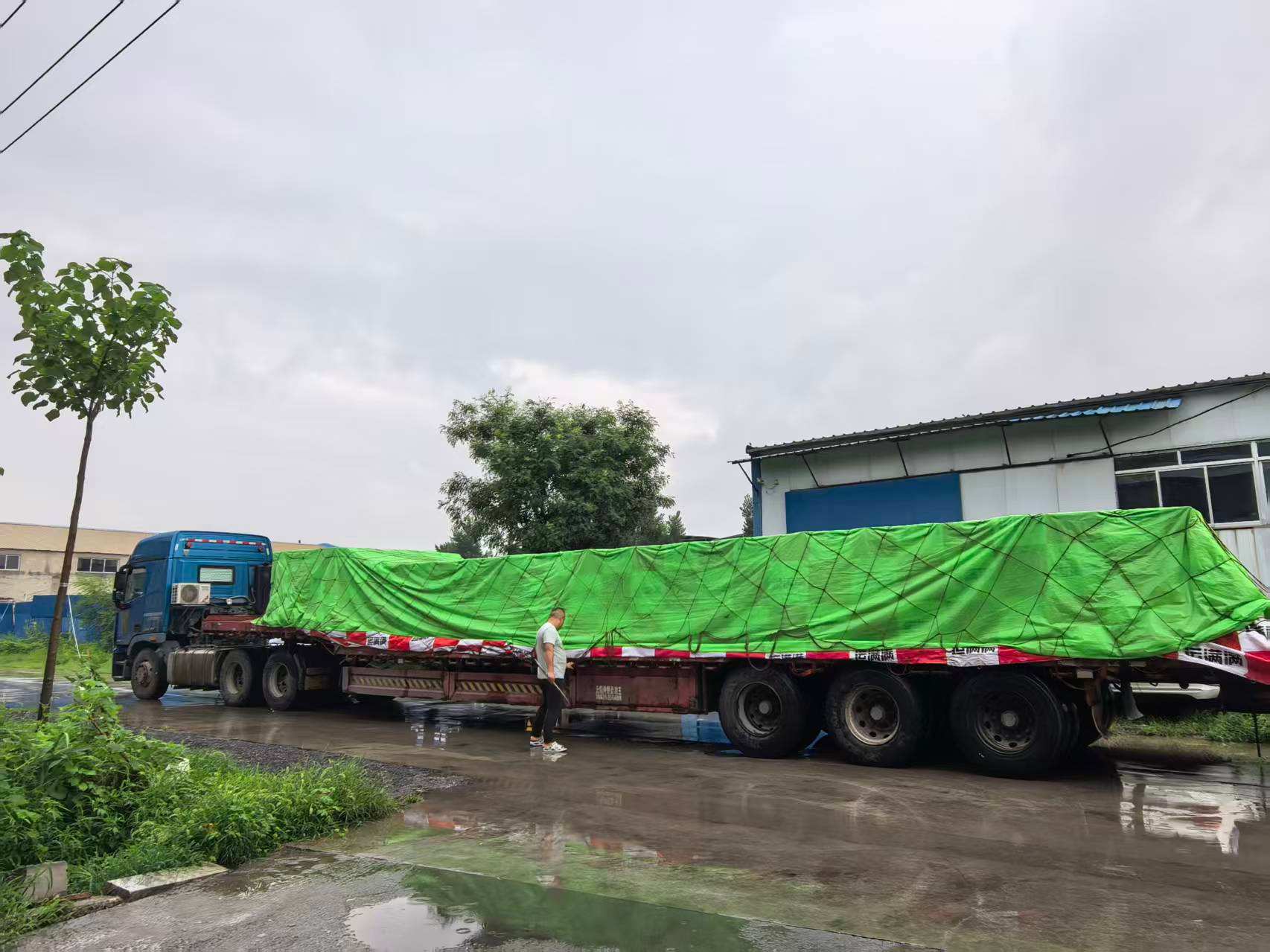
For long-distance sea freight, for example, packaging may need to account for humidity and sustained stacking pressure. In such applications, higher-weight materials, reinforced corners, internal partitions, and suitable surface treatments can be considered as part of the overall packaging design.
Material selection should consider the complete logistics chain
Rather than selecting material based solely on box appearance, businesses should evaluate the complete route from production to final delivery. A packaging specification that works for local parcel delivery may not provide the same performance during containerized international transportation.
Which Structural Features Improve Box Performance?
The geometry of a shipping box can be just as important as the paperboard itself. Poorly supported corners or an unsuitable bottom structure can lead to deformation even when a relatively strong material is used.
Several structural approaches can be incorporated into customized shipping packaging:
- Full-overlap structures: Overlapping panels help distribute pressure across the box body.
- Locking-bottom designs: Interlocking panels can improve bottom stability without relying solely on adhesive.
- Corner reinforcement: Reinforcing tape or additional structural support can help protect vulnerable folded areas.
- Internal partitions: Dividers can separate multiple components and reduce movement inside the package.
- Cover reinforcement: Ribs or internal pads can help reduce lid deformation during stacking.
These features can be combined according to the product's dimensions, weight, shape, and transportation environment. For irregular products, custom die-cutting can also create internal support structures that use paperboard instead of additional plastic components.
What Customization Options Are Available?
Modern packaging often needs to satisfy both logistics and marketing requirements. Customization allows the box to be designed around the actual product rather than forcing the product into a standard carton.
| Customization Item | Available Range / Option | Typical Application |
|---|---|---|
| Material Weight | 200g–850g+ | Lightweight parcels to demanding transport applications |
| Box Thickness | 0.6mm–1.2mm | Heavy products and high stacking pressure |
| Box Structure | Airplane box, double-insert, locking-bottom and custom structures | General shipping and specialized product packaging |
| Surface Finishing | Lamination, embossing, hot stamping, UV, screen printing, matte finishing | Brand presentation and premium packaging |
| Special Treatments | Water-resistant, flame-retardant or anti-static options | Special transportation requirements |
| Size | Customized dimensions and special aspect ratios | Standard and irregular products |
TAI HAO also supports customized structures such as handle boxes, rounded-corner designs, side-opening boxes, and display-and-shipping configurations. For products requiring separate compartments, custom-cut paperboard partitions can be incorporated into the packaging system.
How Do Different Specifications Match Shipping Applications?
There is no single specification suitable for every shipping scenario. Material weight and structural reinforcement should be selected according to the actual load and logistics conditions.
| Shipping Scenario | Recommended Design Considerations | Main Objective |
|---|---|---|
| Local Express | Moderate board weight, efficient folding structure | Balance protection and packaging cost |
| Cross-Border E-Commerce | Strong structure, suitable stiffness, clear printing | Protect products through repeated handling |
| Sea Freight | Higher-weight board, reinforcement and moisture-resistant treatment | Handle stacking pressure and humid environments |
| Heavy Products | Thicker board, reinforced corners and bottom structure | Improve load-bearing performance |
| Special-Shaped Products | Custom die-cut structure and internal partitions | Reduce movement and improve product fit |
How Should Businesses Choose the Right Shipping Box?
A packaging project should begin with the product rather than the carton. Before requesting a quotation, buyers should prepare accurate product and logistics information so that the manufacturer can recommend a suitable construction.
1. Measure the product accurately
Record product length, width, height, weight, and any protruding or fragile components. These measurements establish the internal dimensions and help determine whether partitions or additional cushioning are necessary.
2. Define the transportation route
Identify whether the shipment will use local delivery, express transportation, air freight, sea freight, or multiple transportation methods. Longer routes generally require more consideration of stacking, handling, and environmental exposure.
3. Evaluate stacking requirements
Estimate how many cartons may be stacked during storage and transportation. High stacking loads can influence the required board weight, thickness, box structure, and reinforcement strategy.
4. Determine branding requirements
If the box will be visible to customers, consider printing, embossing, hot stamping, UV finishing, matte finishing, or other surface treatments. This can turn transportation packaging into an additional brand communication point.
5. Confirm special compliance or handling requirements
Some products may require anti-static, flame-retardant, moisture-resistant, or other specialized treatments. These requirements should be discussed before production so that the packaging design can be developed accordingly.
Where Can Custom White Cardboard Boxes Be Used?
Custom shipping boxes can support a broad range of commercial and industrial packaging applications. Their combination of structural customization and printable surface makes them suitable when transportation protection and product presentation need to work together.
- Cross-border e-commerce shipments
- Consumer product transportation
- Gift and premium product shipping
- Electronic accessories and components
- Spare parts and small industrial products
- Retail products requiring branded outer packaging
- Special-shaped products requiring internal partitions
- Products transported through multiple logistics stages
For more information about custom packaging structures and related products, buyers can explore the white card boxes product category and evaluate how different box formats can be adapted to their packaging requirements.
Frequently Asked Questions
What material weights are available for White Cardboard Shipping Boxes?
TAI HAO lists white cardboard options from approximately 200g to 850g+ depending on the application. Higher-weight materials can be considered for heavy products, high stacking pressure, and longer transportation routes.
Can the box size and structure be customized?
Yes. Custom dimensions, box structures, handles, curved corners, side-opening configurations, locking bottoms, and internal partitions can be developed according to product requirements. Special aspect ratios can also be considered through independent mold design.
Are these boxes suitable for international shipping?
They can be configured for cross-border logistics, including sea freight and express delivery. Material weight, structural reinforcement, internal support, and surface treatment should be selected according to the actual route and environmental conditions.
Can the boxes include printed branding?
Yes. The smooth white cardboard surface supports printing and finishing processes such as screen printing, embossing, hot stamping, UV finishing, matte finishing, and lamination, depending on the packaging design.
What is the typical production process?
The process generally includes requirement confirmation, structural solution development, sample production, sample approval, mass production, quality inspection, and shipment. TAI HAO states that structural white samples can be provided within approximately 3 days, while color process samples generally require around 5–7 days. Regular production is listed at approximately 7–15 working days, depending on the order.
What information should buyers provide when requesting a quotation?
Useful information includes product dimensions, product weight, required box dimensions, expected order quantity, transportation method, destination market, printing requirements, surface finishing, internal partitions, and any special handling or compliance requirements.
Choose a Shipping Box Designed Around Your Product
The right packaging solution should do more than contain a product. It should provide appropriate structural protection, support efficient transportation, communicate brand information, and match the practical requirements of the logistics environment. With customizable board weights, thicknesses, structures, printing processes, and special treatments, TAI HAO can develop packaging solutions for different shipping scenarios. If you are evaluating a new packaging project or need a customized solution for an existing product, contact us with your product dimensions, weight, shipping route, quantity, and design requirements to discuss a suitable packaging specification.