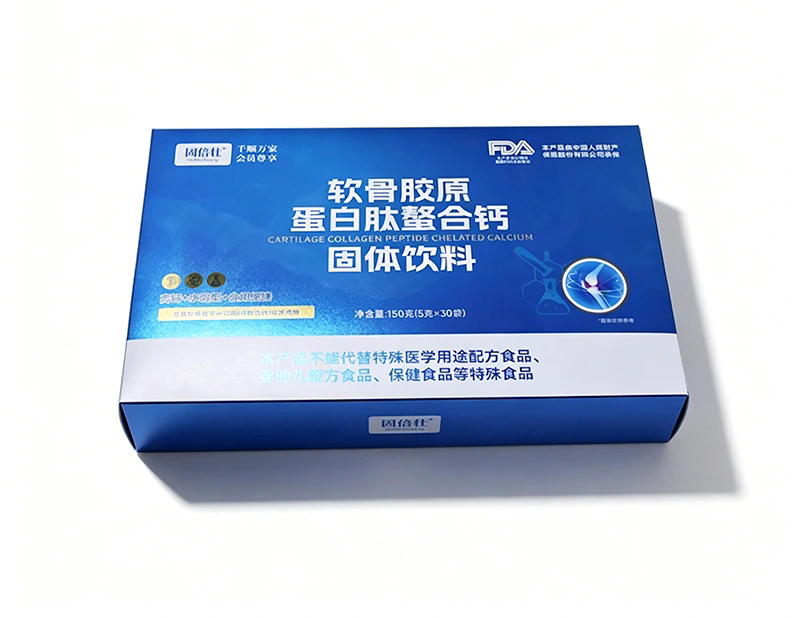
A customer walks into a retail store and picks up two boxes from the same shelf. One is a white card box with a glossy finish, reflecting the overhead lights. The other is a white card box with a matte finish, absorbing the light and presenting a soft, understated surface. The customer runs their fingers across the matte box, feeling the smooth, velvety texture. Without opening either box, they have already formed a perception: the matte box feels more premium, more sophisticated, more worthy of the product inside. This is the power of matte lamination in white card boxes. It is not just a surface finish; it is a sensory signal that communicates quality, elegance, and attention to detail.
Matte lamination is a thin film that is applied to the surface of a printed white card box to protect the print and create a specific aesthetic effect. Unlike glossy lamination, which reflects light and creates a shiny surface, matte lamination diffuses light, creating a soft, non-reflective finish. This finish is preferred for high-end products, from cosmetics to electronics to premium gift sets. The role of matte lamination in white card boxes extends beyond aesthetics. It also provides practical benefits: it protects the print from scratching, scuffing, and moisture; it enhances the tactile experience of the box; and it can be combined with other finishing techniques, such as spot UV and foil stamping, to create striking visual effects. This article will examine the role of matte lamination in white card boxes in detail, covering its technical properties, its benefits, its applications, and the specifications that define a high-quality matte laminated box. We will also provide detailed product parameters from our factory at Taihao (Shandong) Printing and Packaging Co., Ltd.
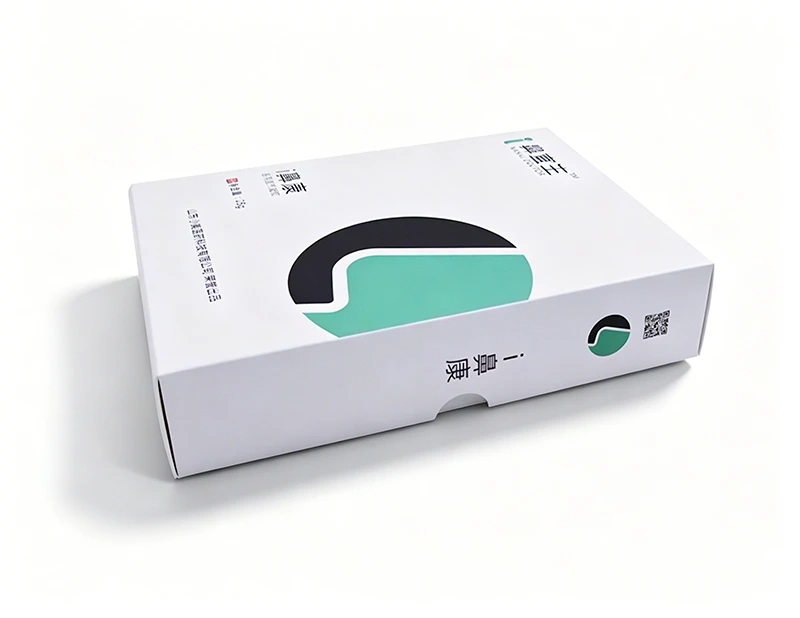
Matte lamination is a finishing process in which a thin, transparent plastic film is bonded to the surface of a printed white card box using heat and pressure. The film is typically made from BOPP (biaxially oriented polypropylene), which is durable, tear-resistant, and available in a matte finish. The application process involves feeding the printed card sheets through a laminating machine, where they are pressed together with the film under controlled temperature and pressure. The result is a smooth, protective layer that is permanently bonded to the surface of the box. The matte finish is created by the surface texture of the film itself, which diffuses light rather than reflecting it. This is what gives the matte laminated box its distinctive, non-reflective appearance.
The application of matte lamination to white card boxes requires precision and control. The temperature, pressure, and speed of the laminating machine must be carefully calibrated to ensure a strong, bubble-free bond. The film must be perfectly aligned with the printed sheet to avoid misregistration. And the adhesive used to bond the film must be compatible with the ink and the card stock. At our factory, we use state-of-the-art laminating equipment and high-quality BOPP films to ensure that every white card box we produce meets the highest standards of quality and consistency. The table below summarizes the key parameters of the matte lamination process.
| Parameter | Typical Value | Importance |
| Film Thickness | 15 - 25 microns | Affects protection and tactile feel |
| Lamination Temperature | 80 - 100°C | Ensures proper adhesion |
| Lamination Pressure | 8 - 12 MPa | Prevents bubbles and wrinkles |
| Line Speed | 10 - 30 m/min | Balances productivity and quality |
| Adhesive Type | Water-based or solvent-based | Compatibility with ink and card |
At Taihao (Shandong) Printing and Packaging Co., Ltd., our factory has extensive experience in applying matte lamination to white card boxes. We use only high-quality materials and precision equipment to ensure that every box we produce has a flawless matte finish. We also offer a range of film thicknesses and finishes to suit different aesthetic and functional requirements.
One of the primary roles of matte lamination in white card boxes is protection. The laminated film acts as a barrier that shields the printed surface from the outside world. Without lamination, a white card box is vulnerable to a range of threats: fingerprints, smudges, scratches, scuffs, and moisture. These threats can quickly degrade the appearance of the box, making it look worn and unprofessional. Matte lamination prevents this by creating a hard, durable surface that resists damage. The film is tough enough to withstand the rigors of handling, shipping, and display. It is also water-resistant, which protects the box from accidental spills and humidity. The table below summarizes the protective benefits of matte lamination.
| Threat | Without Lamination | With Matte Lamination |
| Fingerprints | Visible, difficult to remove | Resistant, easy to wipe clean |
| Scratches | Easily scratched, permanent marks | Resistant to light scratches |
| Scuffs | Common during shipping | Protected by durable film |
| Moisture | Can warp or stain the card | Water-resistant barrier |
| Color Fading | UV light can fade inks | Film provides some UV protection |
At our factory, we test the protective performance of our matte laminated white card boxes to ensure they meet our customers' requirements. We use standardized tests for abrasion resistance, moisture resistance, and adhesion. The results consistently show that matte lamination significantly extends the life of the box and preserves the quality of the print. This is particularly important for boxes that are used for high-value products or that are intended to be kept by the customer.
The tactile experience of a white card box is a critical factor in how it is perceived by the customer. Matte lamination creates a surface that is smooth, soft, and velvety to the touch. This is in contrast to glossy lamination, which feels slick and cold. The tactile experience of matte lamination is often described as "soft-touch" or "velvet," although true soft-touch lamination is a different process that uses a different film. Matte lamination provides a pleasant, subtle texture that invites the customer to hold and explore the box. This tactile engagement is a powerful tool for creating a connection between the customer and the product. The table below compares the tactile characteristics of different lamination finishes.
| Finish | Tactile Feel | Reflectivity | Perceived Value |
| Matte Lamination | Smooth, soft, velvety | Low (diffuses light) | High (sophisticated) |
| Gloss Lamination | Slick, smooth, cold | High (reflects light) | Moderate (common) |
| Soft-Touch Lamination | Extremely soft, rubbery | Very Low | Very High (premium) |
| No Lamination | Rough, paper-like | Very Low | Low |
At Taihao (Shandong) Printing and Packaging Co., Ltd., we understand the importance of tactile experience in packaging. Our matte laminated white card boxes are designed to feel as good as they look. We offer a range of film thicknesses to achieve different tactile effects, from a subtle smoothness to a more pronounced velvet feel. We also offer the option of combining matte lamination with other finishing techniques, such as spot UV or embossing, to create a multi-sensory experience.
Packaging is one of the most powerful tools for brand communication. It is the first physical point of contact between the brand and the customer. The finish of a white card box sends a message about the brand's values and positioning. Matte lamination, with its understated elegance, communicates sophistication, quality, and attention to detail. It is preferred by brands that want to project a premium image. A glossy finish, by contrast, is often associated with mass-market products. The choice of finish is therefore a strategic branding decision. The table below summarizes the brand associations of different lamination finishes.
| Finish | Brand Association | Typical Product Categories |
| Matte Lamination | Premium, sophisticated, understated | Cosmetics, electronics, luxury gifts |
| Gloss Lamination | Vibrant, eye-catching, mass-market | Toys, snacks, promotional items |
| Soft-Touch Lamination | Luxurious, exclusive, high-end | Premium electronics, jewelry, spirits |
| No Lamination | Eco-friendly, natural, economical | Organic products, budget items |
At our factory, we work with brands across a range of industries to select the right lamination finish for their packaging. We understand that the finish is not just a technical detail; it is a branding decision. Our team can provide samples and advice to help our customers make the right choice for their brand and their product.
Matte lamination is one of three main lamination finishes used in packaging, the others being gloss and soft-touch. Each finish has its own characteristics and applications. Gloss lamination is the most common and the most economical. It provides a shiny, reflective surface that makes colors pop and images look vibrant. It is ideal for products that need to stand out on the shelf. Soft-touch lamination is the most premium finish. It uses a specialized film that creates a velvety, rubbery texture. It is often used for high-end electronics and luxury goods. Matte lamination sits between the two. It is more sophisticated than gloss but more economical than soft-touch. It offers a good balance of aesthetics, protection, and cost. The table below provides a detailed comparison of the three finishes.
| Property | Matte Lamination | Gloss Lamination | Soft-Touch Lamination |
| Surface Appearance | Non-reflective, soft | Reflective, shiny | Velvety, rubbery |
| Tactile Feel | Smooth, velvety | Slick, cold | Extremely soft |
| Protection | Excellent | Excellent | Excellent |
| Fingerprint Resistance | Good | Poor (shows fingerprints) | Excellent |
| Cost | Medium | Low | High |
| Typical Application | Premium retail, cosmetics | Mass-market retail, promotional | Luxury goods, high-end electronics |
At Tai Hao, we offer all three lamination finishes for our white card boxes. We work with our customers to select the finish that best meets their aesthetic, functional, and budgetary requirements. Our factory has the equipment and the expertise to produce high-quality boxes in any of these finishes.
The quality of a matte laminated white card box is defined by its specifications. These include the card stock, the film type, the lamination parameters, the print quality, and the structural design. The table below provides a summary of the key specifications for our matte laminated white card boxes.
| Specification | Options | Notes |
| Card Stock | 250 - 400 gsm white card | Higher gsm for premium feel |
| Film Type | BOPP matte film | 15 - 25 microns thick |
| Lamination Adhesion | Strong, bubble-free | Tested for peel strength |
| Print Quality | Offset, digital, screen | High resolution, color accuracy |
| Surface Finish | Matte | Non-reflective, velvety |
| Additional Finishing | Spot UV, foil stamping, embossing | Can be combined with matte |
| Box Style | Rigid, folding, two-piece | Selected based on product and use |
| Certifications | FSC, ISO 9001 | Confirms responsible sourcing |
At our factory, we manufacture matte laminated white card boxes to meet these specifications and more. We can customize the card stock, the film type, the print, and the box style to meet the specific requirements of our customers. We also offer a range of additional finishing options, such as spot UV and foil stamping, to create unique and eye-catching effects.
Question 1: What is the difference between matte lamination and soft-touch lamination?
Answer: Matte lamination uses a standard BOPP film with a matte finish, creating a smooth, non-reflective surface. Soft-touch lamination uses a specialized film that creates a velvety, rubbery texture. Soft-touch is more premium and more expensive than matte. Both provide excellent protection and a non-reflective appearance, but the tactile experience is different. At Taihao (Shandong) Printing and Packaging Co., Ltd., we offer both finishes and can advise on the best choice for your product.
Question 2: Does matte lamination affect the colors of the printed design?
Answer: Matte lamination can slightly mute the colors of the printed design because it diffuses light rather than reflecting it. This can create a more sophisticated, understated look. However, it does not significantly alter the hue or the accuracy of the colors. If color vibrancy is a priority, gloss lamination may be a better choice. Our team can provide samples so you can see the effect for yourself.
Question 3: Can matte lamination be combined with other finishing techniques?
Answer: Yes, matte lamination can be combined with other finishing techniques such as spot UV, foil stamping, and embossing. Spot UV creates a glossy, raised effect on top of the matte surface, creating a striking contrast. Foil stamping adds a metallic element. Embossing creates a raised texture. These combinations can create unique and premium packaging effects. Our factory has the expertise to execute these combinations with precision.
Question 4: Is matte laminated packaging recyclable?
Answer: Matte laminated packaging is generally not recyclable in standard paper recycling streams because the plastic film is bonded to the paper and cannot be easily separated. However, there are emerging technologies for recycling laminated packaging, and some facilities can process it. If recyclability is a priority, we can offer alternative finishes, such as water-based coatings, that provide similar protection without the plastic film. Please contact us to discuss your options.
Question 5: How does matte lamination affect the durability of a white card box?
Answer: Matte lamination significantly improves the durability of a white card box by providing a protective barrier against scratches, scuffs, fingerprints, and moisture. The film is tough and durable, extending the life of the box and preserving the quality of the print. This is particularly important for boxes that are handled frequently or that are used for high-value products.
Matte lamination plays a critical role in white card boxes. It protects the print from damage, enhances the tactile experience, and communicates a premium brand image. It is a versatile finish that can be combined with other techniques to create unique and striking packaging effects. At Taihao (Shandong) Printing and Packaging Co., Ltd., our factory has the expertise and the equipment to produce high-quality matte laminated white card boxes that meet the most demanding requirements. We use premium materials, precision equipment, and rigorous quality control to ensure that every box we produce is flawless.
Whether you are a brand owner looking for premium packaging for your product or a packaging buyer seeking a reliable supplier, we invite you to contact us to discuss your requirements. We can provide samples, quotes, and design assistance. Our commitment to quality and customer satisfaction has made us a trusted partner for businesses around the world.
Contact Taihao (Shandong) Printing and Packaging Co., Ltd. today to discuss your matte laminated white card box requirements and discover how our packaging solutions can elevate your brand.