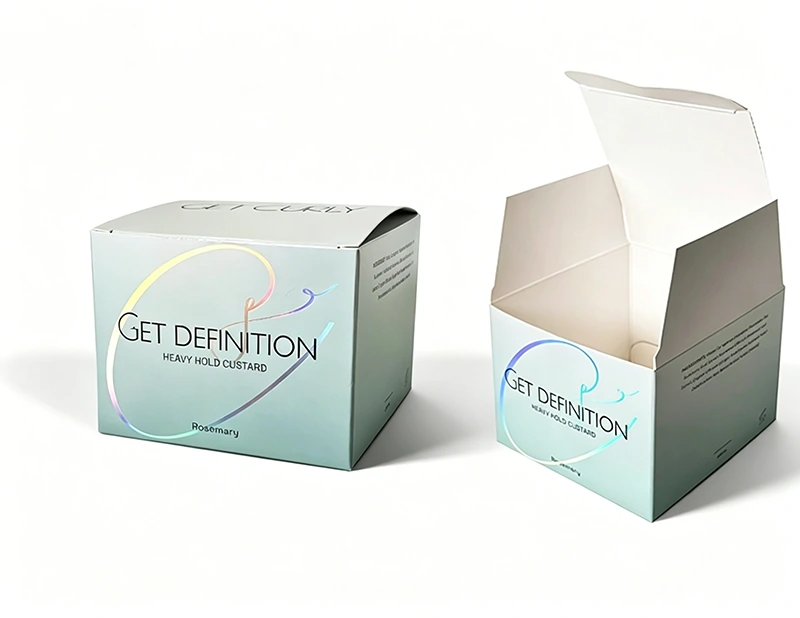
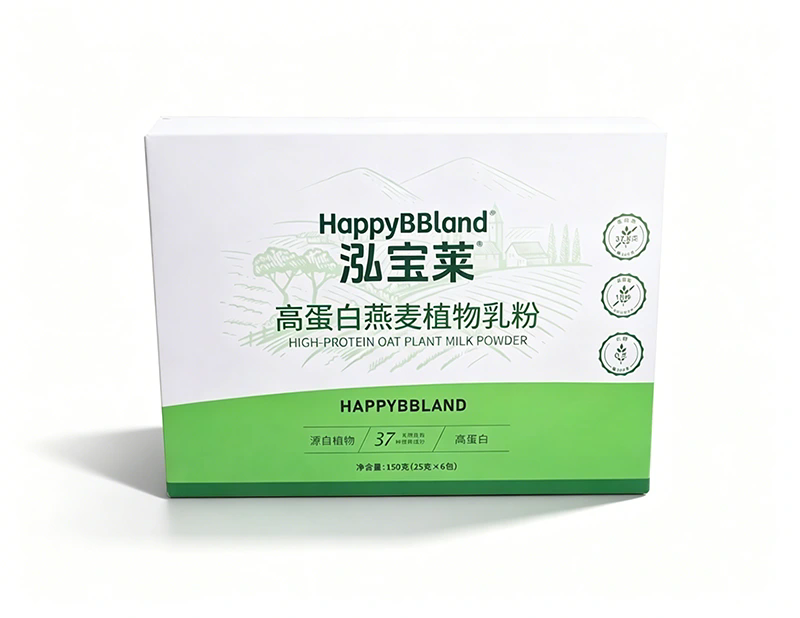
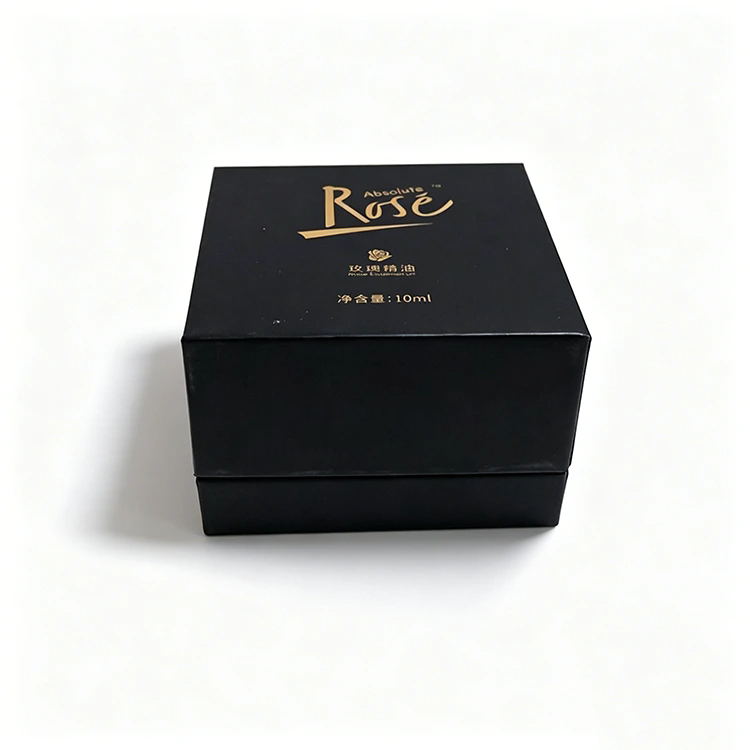
Article Summary: A Silver Cardboard Box combines structural protection with a distinctive metallic appearance, making it a practical packaging option for brands that need their products to look premium before the package is even opened. This article explains how silver cardboard packaging works, what makes it different from ordinary paper boxes, how to choose suitable materials and finishes, and how to avoid common problems such as surface scratching, silver loss, weak folding performance, and inconsistent printing. It also examines suitable applications across cosmetics, skincare, supplements, tea, gifts, jewelry, and other premium products, while providing a practical purchasing and customization guide for businesses.
A Silver Cardboard Box is more than a conventional paper package with a metallic-colored graphic printed on its surface. Its defining characteristic is the reflective silver appearance of the packaging board, which can create a bright, sophisticated, and modern visual effect.
For brands selling premium products, packaging often performs two jobs simultaneously. First, it must protect the product during storage, transportation, and retail handling. Second, it needs to communicate the perceived value of the product within a few seconds. Silver cardboard can support both objectives when the material, structure, printing process, and finishing treatment are properly matched.
The metallic surface can catch light from different angles, helping the package stand out on shelves, display counters, gift tables, and e-commerce product photography. This makes it particularly useful when a business wants to communicate concepts such as luxury, technology, cleanliness, elegance, exclusivity, or modern design.
However, an attractive appearance alone is not enough. A poorly manufactured silver box may develop scratches, edge wear, silver-color loss, weak folds, or uneven surfaces. Therefore, material selection and production control are just as important as graphic design.
TAI HAO provides Silver Cardboard Box solutions designed around different product categories, structural requirements, printing needs, and presentation goals. A customized approach allows the packaging to be developed around the actual product instead of forcing the product into a standard box format.
The appearance and performance of silver packaging depend heavily on its board structure. A typical silver paperboard solution uses a rigid paperboard base combined with a metallic surface layer or metallic-finish treatment. The resulting board provides a balance between stiffness, printability, folding performance, and visual impact.
The exact construction can vary according to the intended application. A lightweight retail package may prioritize easy folding and efficient transportation, while a premium gift package may require greater rigidity and a more substantial hand feel.
Several material factors should be evaluated before production:
Choosing a material solely because it looks attractive can create problems later. The board must also be compatible with the box structure, adhesive system, printing technology, finishing process, and expected transportation conditions.
Businesses usually choose metallic packaging because it addresses several commercial and presentation challenges at the same time.
The reflective surface interacts with ambient lighting, creating visual movement even when the package is stationary. This can help a product attract attention among conventional matte or plain-color packaging.
Silver is commonly associated with refinement, technology, precision, and sophistication. When combined with an appropriate structural design, it can make ordinary packaging feel more premium without relying entirely on complicated graphics.
Silver board can support different visual approaches. A brand may leave selected areas highly reflective, combine metallic areas with darker colors, introduce matte zones, or use embossing to create contrast between different elements.
Depending on the material and finishing system selected, silver packaging can offer useful resistance to ordinary handling, surface contamination, and visual wear. The actual performance should always be verified against the intended application rather than assumed from appearance alone.
For products purchased as gifts, the package itself becomes part of the customer experience. A carefully designed silver box can create a stronger first impression before the recipient sees the product inside.
In crowded product categories, packaging differentiation can influence purchasing decisions. A metallic surface gives designers another visual dimension beyond conventional color printing.
A Silver Cardboard Box is especially suitable when visual presentation is an important part of the product's perceived value.
| Product Category | Why Silver Packaging Works | Recommended Design Direction |
|---|---|---|
| Skincare | Creates a clean, sophisticated appearance | Minimal graphics, metallic accents, refined typography |
| Cosmetics | Supports premium positioning and visual differentiation | Glossy details, embossing, selective finishing |
| Perfume | Matches luxury and fragrance-oriented branding | Elegant structure, dark contrast, foil-style details |
| Health Supplements | Provides a professional and modern appearance | Clear product information with controlled metallic areas |
| Tea | Creates a premium gifting experience | Traditional graphics combined with contemporary silver elements |
| Jewelry | Complements the high-value nature of the product | Rigid structure, understated graphics, premium interior |
| Gift Products | Enhances the unboxing experience | Special shapes, decorative finishes, customized printing |
Silver packaging can also be used for seasonal collections, limited-edition products, corporate gifts, specialty foods, premium accessories, and other products where packaging presentation contributes to perceived value.
Silver board provides a reflective foundation, but the final appearance depends strongly on how the artwork interacts with the metallic surface.
One common mistake is treating silver board exactly like ordinary white cardboard. Because the underlying surface reflects light, printed colors can appear different from how they would look on a white substrate. Designers should therefore consider the metallic background during artwork preparation.
Several techniques can be combined to create visual hierarchy:
The most effective designs are not necessarily the most complicated. A restrained layout can often make better use of the metallic surface than an overcrowded design containing too many colors and decorative elements.
Surface quality is one of the most important concerns when purchasing metallic paper packaging. A package can have excellent artwork and still look low-quality if its metallic surface becomes scratched or damaged during manufacturing.
Potential problems include:
These problems are usually controlled through a combination of suitable raw materials, appropriate equipment settings, experienced operators, controlled folding and gluing procedures, and systematic quality inspection.
A practical quality-control sequence should include prototype inspection before mass production. The sample should be folded, glued, handled, and opened in conditions that approximate actual production and use.
Important checkpoints include:
This approach helps identify manufacturing issues before a large quantity is produced, reducing the risk of expensive rework or rejected packaging.
The correct box should be selected according to the product rather than appearance alone. Before requesting a quotation, buyers should define the technical and commercial requirements as clearly as possible.
| Selection Factor | Questions to Ask |
|---|---|
| Product Dimensions | What are the exact length, width, and height requirements? |
| Product Weight | How much load must the package safely support? |
| Board Specification | What level of stiffness and folding performance is required? |
| Surface Appearance | Should the package be mirror-like, glossy, satin, or subdued? |
| Printing | Which colors, graphics, logos, and variable information are required? |
| Finishing | Is embossing, coating, or another special treatment necessary? |
| Production Volume | What quantity is needed per order and how frequently will it be reordered? |
| Shipping Conditions | Will the boxes face humidity, long-distance transportation, or repeated handling? |
It is also advisable to request a physical sample before approving a large production order. Images can show appearance, but they cannot fully demonstrate board stiffness, folding behavior, tactile quality, adhesive performance, or surface durability.
Custom packaging should begin with the product's functional requirements. A beautiful box that does not protect the product, fit the filling line, or survive transportation will ultimately create more problems than it solves.
For effective customization, prepare the following information:
For premium products, the interior should not be ignored. The exterior creates the first impression, while the interior determines how securely and elegantly the product is presented after opening.
Depending on the product, an inner tray, insert, divider, folded support, or customized compartment may be incorporated into the packaging structure.
Both packaging options can be effective, but they serve different presentation objectives.
| Feature | Silver Cardboard Box | Standard Cardboard Box |
|---|---|---|
| Visual Impact | High metallic and reflective effect | Usually depends more heavily on printing |
| Premium Appearance | Strong potential for luxury presentation | Depends on board, graphics, and finishing |
| Design Flexibility | Excellent for metallic visual effects | Excellent for conventional color printing |
| Product Positioning | Suitable for premium and gift-oriented products | Suitable for broad retail and industrial applications |
| Cost Consideration | Can be higher because of specialized materials and processes | Generally more economical |
| Brand Differentiation | Strong visual differentiation | Requires stronger graphic design or structural innovation |
The decision should therefore be based on the balance between packaging cost, product value, target customer expectations, shelf environment, and desired brand positioning.
A structured development process can significantly reduce mistakes and unnecessary production costs.
Measure the product accurately and identify its weight, fragility, shape, and handling requirements.
Choose a folding carton, rigid-style structure, window box, drawer configuration, or another suitable format according to the product.
Discuss board specifications, metallic appearance, surface treatment, and expected performance with the packaging manufacturer.
Prepare the logo, text, graphics, color requirements, barcodes, regulatory information, and other packaging content.
Evaluate the physical sample rather than approving the design based only on digital artwork.
Check whether the box can be folded, glued, filled, opened, and closed without damaging the metallic surface.
After the sample meets the agreed requirements, production parameters can be finalized for larger quantities.
Quality inspection should cover appearance, dimensions, structural integrity, printing, folding, adhesive bonding, and packaging condition before shipment.
Businesses purchasing customized packaging often encounter problems that are not obvious during the initial design stage. Understanding these issues in advance can make the purchasing process much more efficient.
A Silver Cardboard Box is a paperboard package featuring a metallic silver surface or silver-finish substrate. It is commonly used when a brand wants a stronger visual impact and a more premium presentation.
Yes. Its reflective appearance can work particularly well for cosmetics, skincare, perfume, jewelry, premium gifts, tea, supplements, and specialty products. The final result depends on the structure, artwork, finishing, and manufacturing quality.
Yes. Customization can include dimensions, box structure, printing, surface treatments, embossing, interior inserts, and other packaging details.
Yes. Printing can be used to create brand logos, product information, graphics, patterns, and other visual elements. Designers should account for the reflective substrate when preparing artwork because the underlying silver surface can influence the final visual effect.
Surface durability depends on the material construction, finishing system, production process, transportation, and handling. Proper manufacturing controls and appropriate protective treatments can help reduce unwanted scratches and surface damage.
They can be suitable for supplement packaging when the complete packaging system meets the product's applicable material, printing, hygiene, and regulatory requirements. The packaging manufacturer should confirm suitability for the specific application.
Yes. Window structures can be incorporated into suitable box designs, allowing customers to see part of the product while retaining the metallic visual effect around the display area.
Provide the manufacturer with product dimensions, quantity, preferred structure, artwork, surface requirements, and expected application. A prototype or sample evaluation is recommended before mass production.
Silver packaging requires coordination between material selection, printing, folding, gluing, finishing, and quality inspection. An experienced manufacturer can help identify potential production problems before they become expensive large-batch issues.
A Silver Cardboard Box can transform packaging from a simple protective container into an important part of the product experience. Its metallic surface provides a distinctive visual effect, while the underlying paperboard structure can be engineered for different product sizes, weights, and presentation requirements.
The best results come from treating packaging as a complete system. Material selection, structural design, artwork, printing, finishing, folding, adhesive performance, transportation, and quality control all influence the final product.
For brands that need premium packaging without relying solely on complicated graphics, silver cardboard offers a flexible way to strengthen shelf presence and create a memorable unboxing experience. At the same time, buyers should pay close attention to sample approval, surface durability, dimensional accuracy, and manufacturing consistency.
TAI HAO focuses on customized paper packaging solutions and can develop Silver Cardboard Box options according to different product requirements, branding concepts, structural specifications, and finishing preferences. Whether the goal is luxury presentation, stronger shelf differentiation, gift packaging, or a distinctive brand identity, a carefully engineered silver box can provide both visual and practical value.
Ready to develop packaging that gives your products a stronger first impression? Contact TAI HAO to discuss your Silver Cardboard Box requirements, request customized solutions, and contact us for professional packaging support.